EN
EN



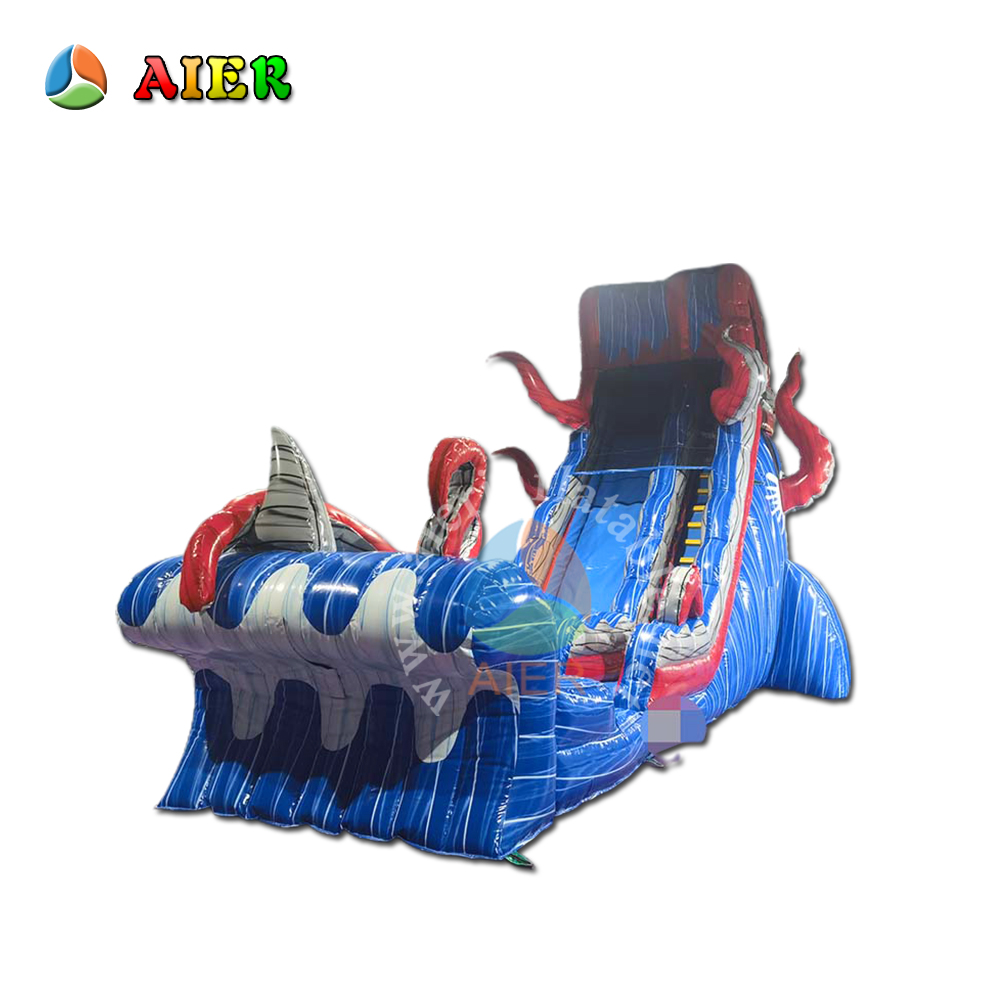
Measuring the Back Yard for Safe Setup of Inflatable Slides
A Detailed Measurement of the Yard: Length, Width, and Check of the Ground
First, remove any debris and obstructions from your intended setup area. Using a tape measure, calculate the length and width of the available area, taking note of any permanent structures like fences or trees. As a general rule, safety standards suggest a minimum of 24 inches of clearance around the area of the inflatables. Check the levelness of the ground with a carpenter's level. If the slope is greater than 3 degrees, you will need to provide anchoring systems with a rated pull force of 1,500 lbs to limit the potential for the system to shift.
Safety Clearances: Horizontal Buffer Zones and Overhead Vertical Clearance
Inflatable slides require a 6-foot horizontal buffer zone for safety. The overhead clearance must be greater than 16 feet for slides that are 10 feet tall or greater. The absence of a sufficient vertical clearance is the leading cause of playground related injuries. The risk of tipping increases by 40% with the presence of uneven surfaces.
Matching the Age Groups and User Capacity Size for Inflatable Slides
Considering Age Groups When Selecting Inflatable Slides of Varying Sizes and Heights
Choosing inflatable slides that match the appropriate age group and size of the target audience entails a lot of factors. For children of the age group 2-5, slides that are at the most 4 feet high are suited. Slides with a slope of 25-30 degrees and a platform that does not exceed 24 inches are ideal. This design of the slides ensures that no extreme drops are present and can be used by children of varying heights and developing coordination. Slides designed for children of the age group 5-12 are better suited with heights of 6-8 feet and slope degrees of 35-40. Slides of this design can be ensured to be fast without uncontrolled high speeds to pose risks to children. Safety features of inflatable slides include:
For toddlers, safety rails are there and consist of 20 inches of barrier materials at a minimum of all elevated surfaces.
Rail systems for older children are typically designed with a flatter slope to mitigate risks of falling and having sudden landings.
Slides for all age groups are potentially designed with a texture applied to the slide to control speeds of the slide.
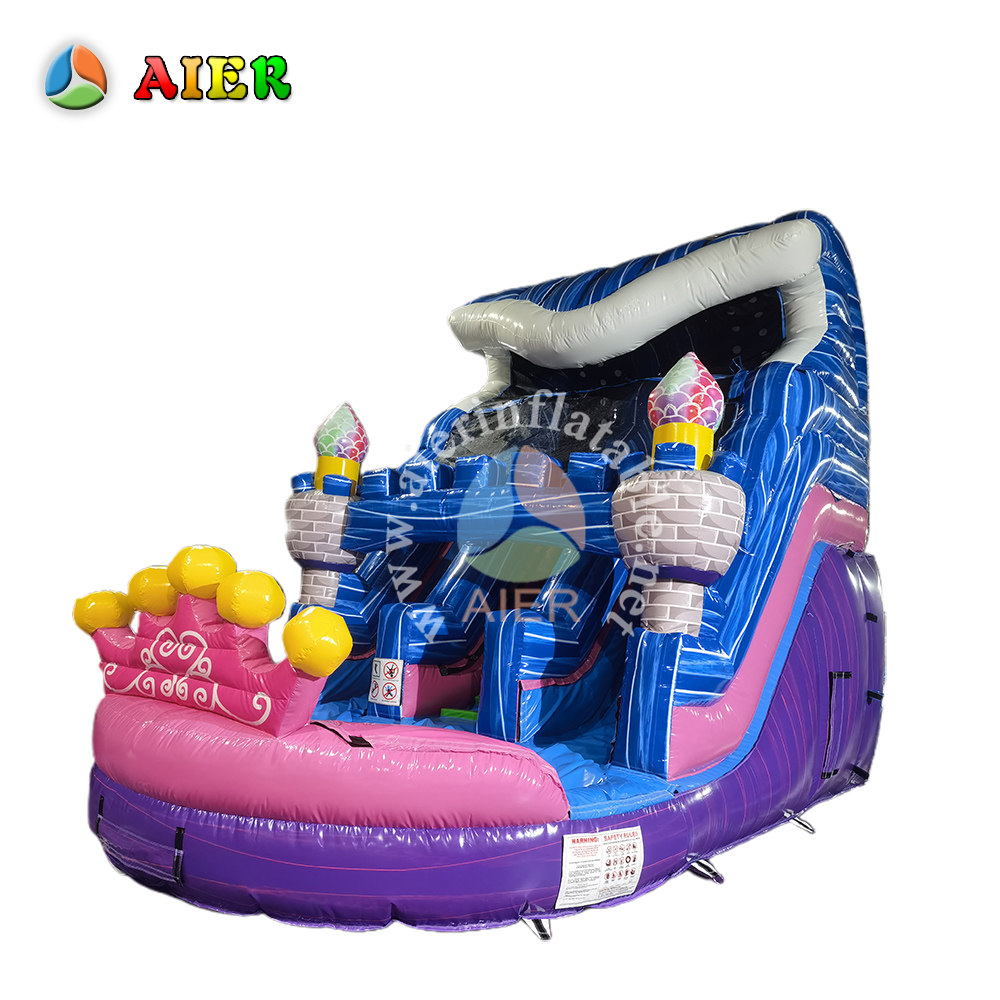
The Design, Dimensions, and Weight Capacity of Inflatable Slides
The capacity of an inflatable slide determines its design and structural layout. This can be further broken down into sub-factors, starting with maximum individual weight (average 80-100 lbs exposure to children) and the other parameter being the number of children that can be accommodated (in terms of simultaneous use). The amount of children that the slide can accommodate determines the base size, meaning a slide that will cater to three children will require, at a minimum, 30% extra surface area compared to a slide that caters only to one. The following are design and operational recommendations:
Capacity Factor Slide Size (Small) 8x 10 ft Slide Size (Large) 15x 20 ft
Max Users 1-2 children 4-5 children
Total Weight ≤ 200 lbs ≤ 500 lbs
Stability Single air chamber Dual chamber design
These guidelines can easily be exceeded, but bear extreme risks of structural compromise, especially with the slide being used. Always ensure that restrictions are there and that the children are of the appropriate age.
Compare Standard Inflatable Slides Size Categories: Small, Medium, and Large
Breaking down inflatable slides by size helps determine the best fit for your space and how many users it can accommodate. Small slides are most suitable for toddlers, as they are the most compact measuring under 10'×8' and under 6' tall. Medium slides are great for most suburban yards as they are 10'–15' long and 6'–9' tall. These can fit multiple users (3–5) and most include children who are older than toddlers. Large slides are meant for big group play and large properties. These slides are over 15'×12' and 10' tall or more. Look at the key differences before your purchase.
Category Typical Dimensions Space Requirements User Capacity
Manufacturer specifications can vary so adjusting them for your yard space is necessary. The right category selection helps safety by avoiding overcrowding and giving enough space for children and activities.
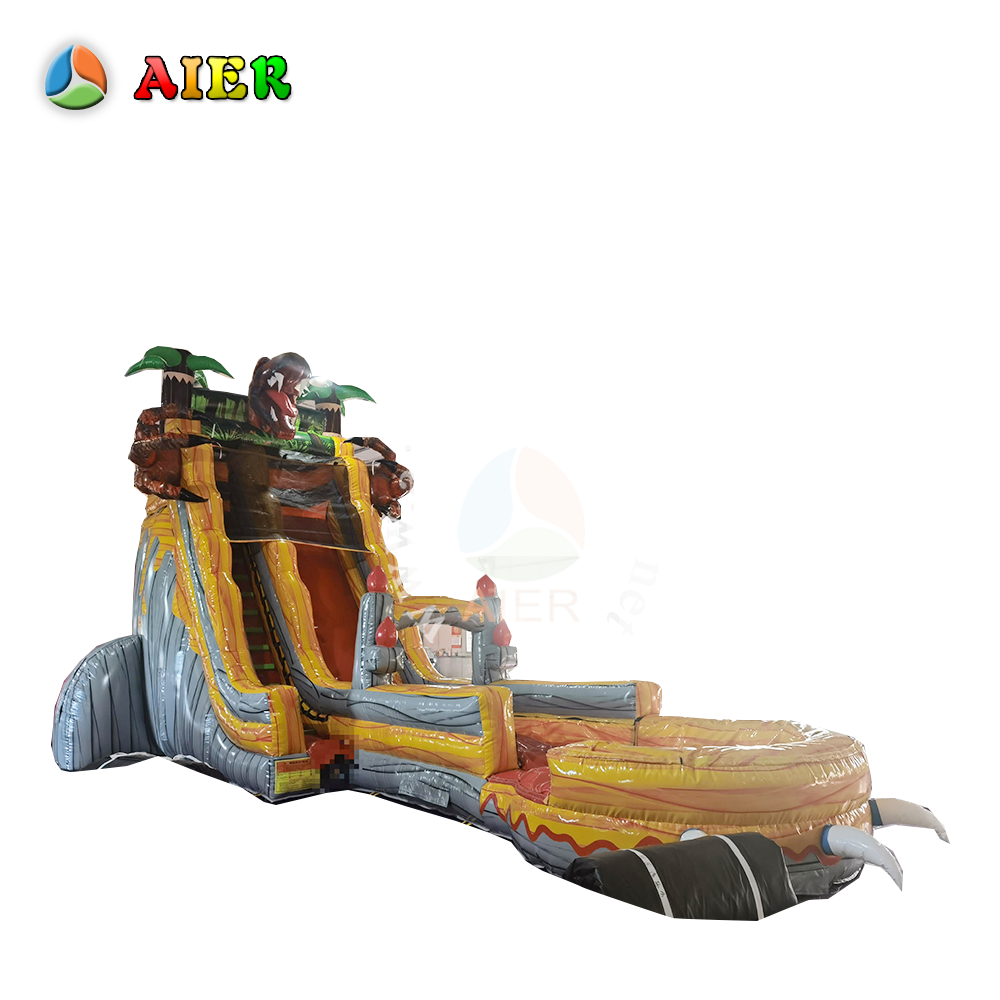
Consider Design Features That Increase Space Requirements for Inflatable Slides
How Integrated Features Like Double Slides, Climbing Walls, and Splash Pools Affect Overall Footprint and Setup Space
The integrated design elements mentioned above, such as climbing walls and dual slides, large water features, and the splash pools, greatly increase the space required for inflatable slides as opposed to their standard design features. Dual slides, for example, will require an additional horizontal clearance of about 3 to 5 feet per slide to account for potential collisions during concurrent usage. Climbing walls, increasing vertically by 2 to 4 feet of clearance, will also require climbing walls. Water features such as splash pools require, in addition to the already mentioned increased dimensional space, extended drainage zone runoff of about 8 feet to inhibit the erosion of ground surface, as well as, in the case of an increased anchoring requirement for stability on wet ground, reinforced ground protection. Plus, the perimeter of the splash pool will require an additional 4 to 6 feet to counter slip accidents. Therefore, the combination of integrated design features, such as a slide with climbing walls and a splash pool, will use about 40% more spacial ground area compared to an average inflatable slide. A slide with a 15x15 foot dimension, as stated above, with dual slide features and splash zone will effectively require about a 24x24 foot zone for full operational use of the slide. Before installation, always check with the manufacturer of specific features about safety zone requirements.
FAQ
What is the maximum and minimum horizontal and vertical clearance for inflatable slides?
For inflatable slides, a minimum horizontal buffer of 6 feet is recommended in order to avoid collisions, as well as a vertical clearance of more than 16 feet to accommodate taller slides.
How do age and user capacity influence the selection of inflatable slides?
The age and size of the users determine the slides, especially user capacity, which dictates the material and dimensional requirements.
With integrated features like dual slides or splash pools, what are the space requirements?
Slides with integrated features such as dual slides or splash pools, require additional space for safe use, including additional horizontal clearance and larger perimeter buffers.