EN
EN



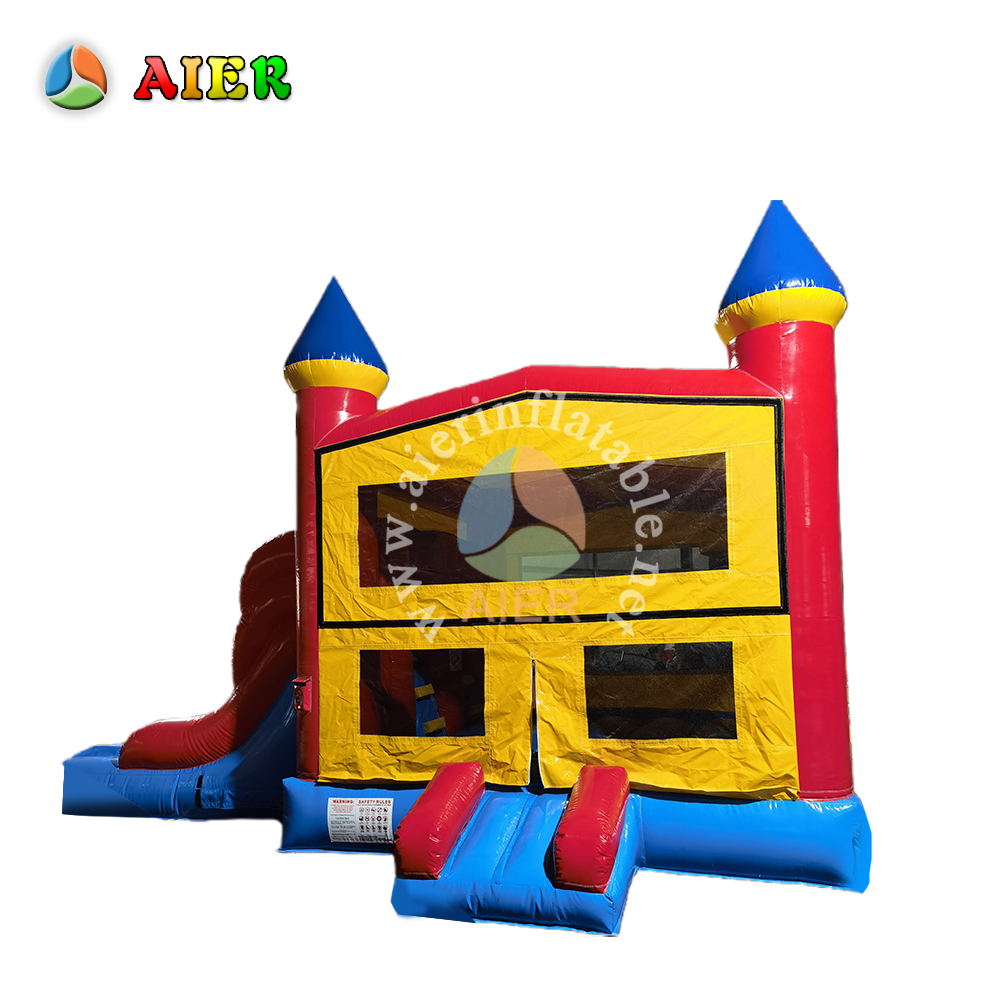
Identifying and Locating Small Punctures on an Inflatable Air Bounce
For Small-Puncture Confirmation, Combine Soap Test with Listening
To start, ensure your air bounce is fully inflated. To create your soap solution, mix water with some dish soap. Use this solution to coat bounce seams, corners, and any other suspicions. While coating, listen for hissing sounds, as escaping air creates micro-tears, and a hissing sound usually gives a silent faucet away. As air leaks, a bubble forms. The size of the bubble and the rate of its growth corresponds to the size of the tear. This method is reliable for detecting leaks as small as 0.0001 inches or 2.54 micrometers, as enforced by the packaging integrity testing regime. Use chalk or a dry-erase marker to identify the location of each leak. Avoid testing in the wind, as air movement can create bubbles away from the leak, giving a misleading location.
Visual and Friction Inspection for Micro, Hidden, or Stretched Tears
The soap solution coating should be coupled with a thorough visual and tactile inspection. Pay special attention to the seams, stitching lines, anchor points, valve housings, and internal baffles, as these all are high-stress zones. Use a flashlight to inspect WC and auxiliary air lines. Use the the bane of many a road trip: the 'slow hand' across the surface to discover drafts created by microscopic tears that are relatively undetectable. Materials that have been stretched and are in a state of mid-fatality, are typical to see as thin, translucent, or shinily in a patchy state. This method is the ideal approach, as it creates a coherent answer for your inspection.
Surface Prep for a Lasting Inflatable Air Bounce Repair The most crucial factor for a lasting bond on a patch repair job is surface preparation. An array of contaminants, including skin oils, moisture, and dust, can weaken the bond by up to 70% according to peer-reviewed studies in Polymer Science journals.
Isopropyl Alcohol Preparations to Remove Oils, Dirt and Moisture Wipe the repair area and a 2 " perimeter around it with 90% isopropyl alcohol and a lint free cloth. The rapid evaporation of the cleaning agent along with the PVC vinyl compatible nature of the isopropyl alcohol allow it to remove oils and dirt without damaging the vinyl. Make several passes of cleaning until the cloth shows no residue and no discoloration to ensure the contaminants are fully removen.
Maxing the Abrasive Bond Patch Strength with Cleaning Most people have a gut feel and expect the surface to be clear and free of contaminants. Use 220 grit sandpaper to gently abrade the surface that has been previously cleaned to produce a uniform matte texture to the surface. Once an even surface is achieved, the dust should be removed by an alcohol dampened lint free cloth. Moisture and humidity negatively affect the area that has been repaired so leave it to air dry for ten to fifteen minutes, and when the area is completely dry, the tape test should come back clean. This means no moisture should disturb the tape when the it is removed.
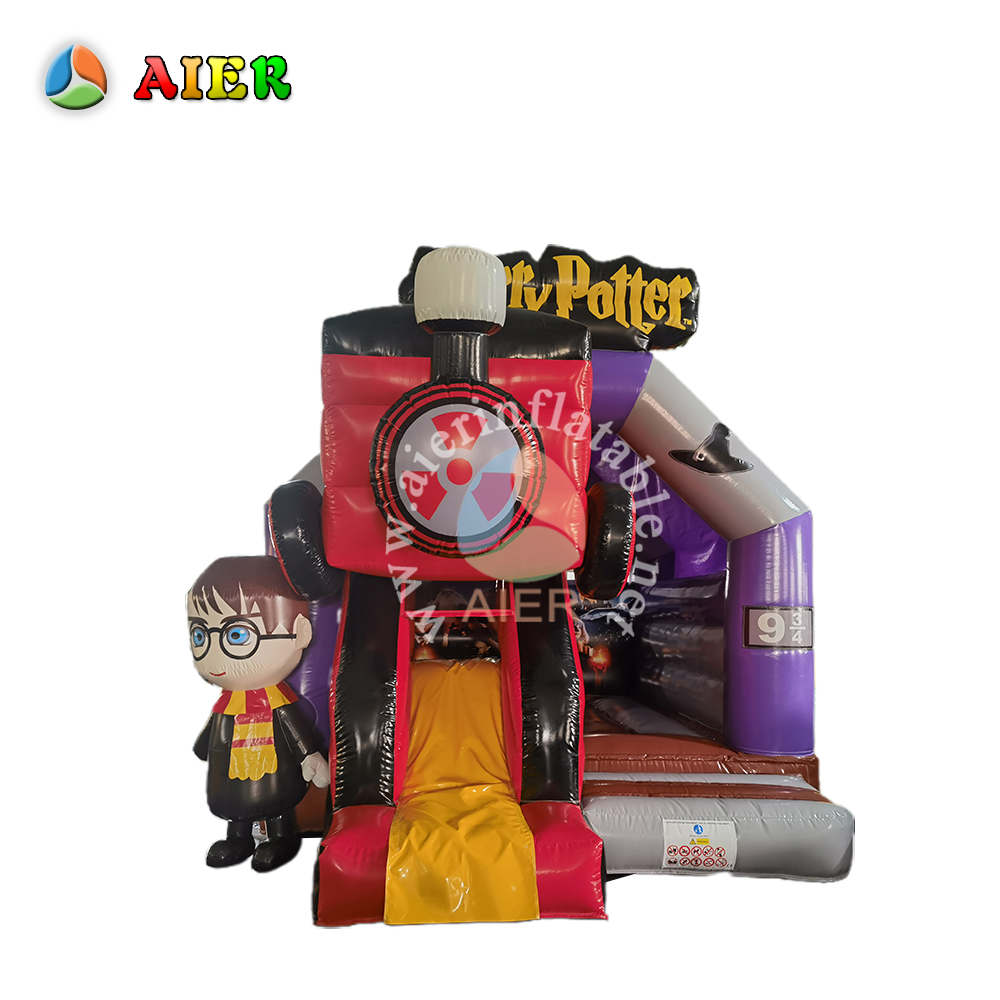
Applying PVC Vinyl Patches Correctly to an Inflatable Air Bounce
Selecting, Cutting, and Smoothing Patches for Optimal Coverage and Flexibility
Choose PVC vinyl patches at least 1 to 2 inches larger than the tear on all sides. Round the corners of the patches to avoid lifting while flexing. Clean the patches and the affected area with isopropyl alcohol to remove oils. Vinyl cement is to be evenly and thinly applied. An even application is to be followed by waiting for the adhesive to be tacky for about 3 to 5 minutes. After that, the patch can be applied. It is advisable that the patch is placed at the center and smoothed out with a soft roller or a squeegee to remove air pockets while ensuring full adhesion. This method ensures that the material is flexible. It also causes no leakage on the material after inflating it repeatedly.
Best Practises According to Stress Level and Location of the Tear
For vertical walls and flat panels, internal patching is used for lower stress areas to avoid the patches on external surfaces and also to keep the aesthetics. In contrast, the external sides of seams, joints, anchor points, and loaded curves have to be patched for these areas to withstand the external forces. While patching internally in the plains and sections with curves, special attention is to be given to avoid the formation of creases and wrinkles; In case of an adhesive manufacturer’s instructions, gentle heat should to be used (e.g. hair dryer on low). It is critical to note that internal repairs require thorough cleaning on both ends of the material. Not depending on the location, firm and consistent pressure are to be applied after the repair to the material using clamps, weights, or rollers. This should be to achieve even flow and curing of adhesive.
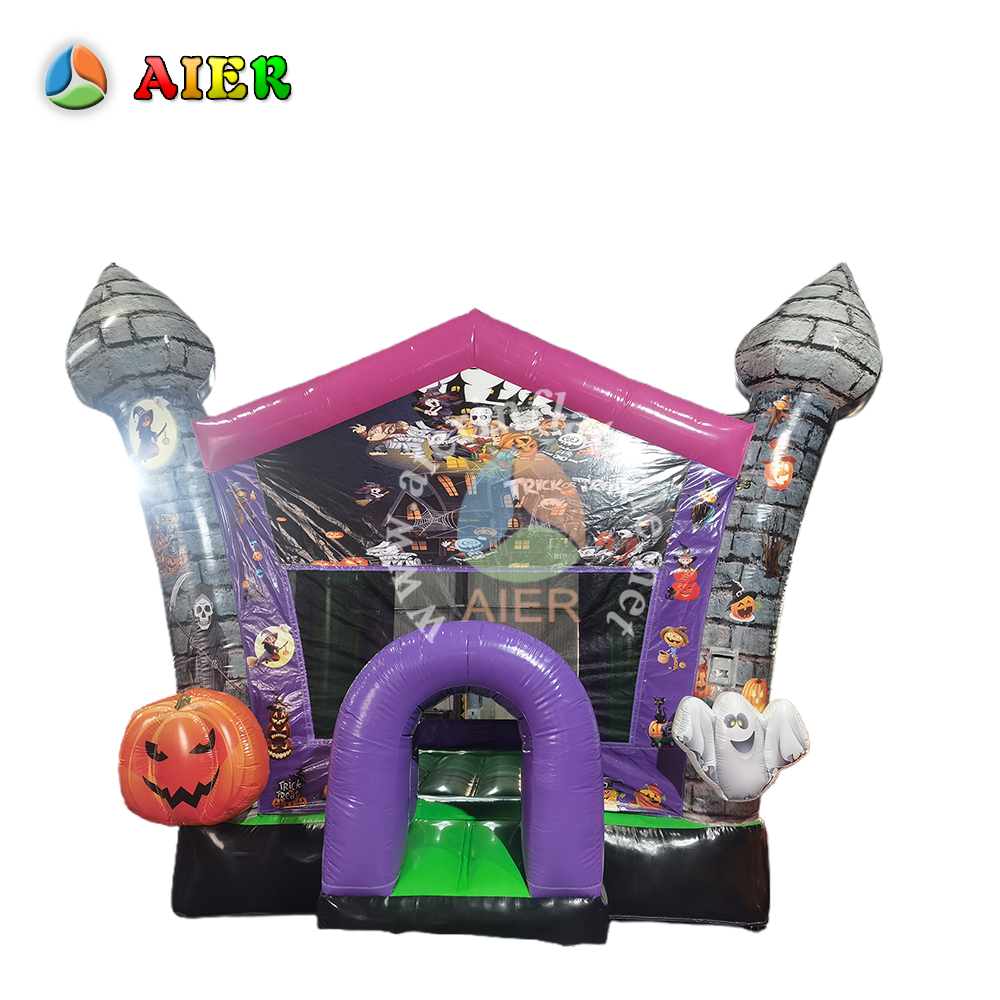
Repair and test validation for inflatable Air Bounces
Application of Pressure, Cure Time, and Environmental Factors
Immediately after the patch is placed, rub the entire patch for 3 to 5 minutes. This pressure increases the adhesion strength of the patch by 40% compared to pressing the patch by hand. The time it takes the adhesive to cure depends on the environment. The ideal temperature to cure the patch is 60 to 80 degrees F (15 to 27 degrees C) and at less than 50% humidity. At these levels, the adhesive will cure the best within 24 to 48 hours. If the temperature is lower than 55 degrees F (13 degrees C) the time should be extended to 72 hours. This is because the cold slows the molecular reactions needed to cure the adhesive. The environmental factors are:
- The patch being dry. Moisture will inhibit the glue from curing properly.
- The patch should be shielded from the sun because the glue is sensitive to UV exposure.
- The patch should be inflated to 50% of its capacity to minimize stress on the seams of the patch during the cure time.
Testing the Patched Area and Assessing Long-Term Durability
Repairs can be validated and repaired in three phases:
Phase 1- The first test is a leak test. This involves inflating the patch to the full (100) pressure and holding it for 30 minutes. Use soapy water to check for leaks at the seams and edges of the patch. Also listen for hissing sounds.
Phase 2- Apply a stress test using controlled weights, for example, using sandbags, to a total of 75% of the maximum expected user load. This test is for 15 minutes and is necessary because 75% of early patch failures happen under load.
Phase 3- Long-term monitoring. This includes monthly inflation checks during the storage period. After the first 10 uses, check the patch edges to see if there is lifting, discoloration, or delamination. Also check the patch to see how it performs in extreme temperature. A cold temperature test is a useful way to check stress that is created by the vinyl shrinkage and the bond.
According to the industry best practice, inflatable Air Bounces should be commercially used (regularly) after 48 hours of leak-free testing at operational pressure.
FAQs
Why use soapy water for leak detection?
Soapy water helps to leak detection by using bubbles as a compliment to audio detection for pinpointing micro-tears.
Can I fix micro-tears by myself?
Yes, if you properly clean, sand, and follow PVC patch guidelines, you can complete the repairs.
How long do patches take to cure?
Patches cure in 24-48 hours, and this time can change with the temperature and humidity.
What is the difference between internal and external patch placement?
Internal patches are aesthetically pleasing and external patches are used to reinforce the structure of high stressed areas.
How do I ensure long-term patch durability?
Maintaining repair integrity over time can be done through inspections, controlled load testing and storage.