EN
EN


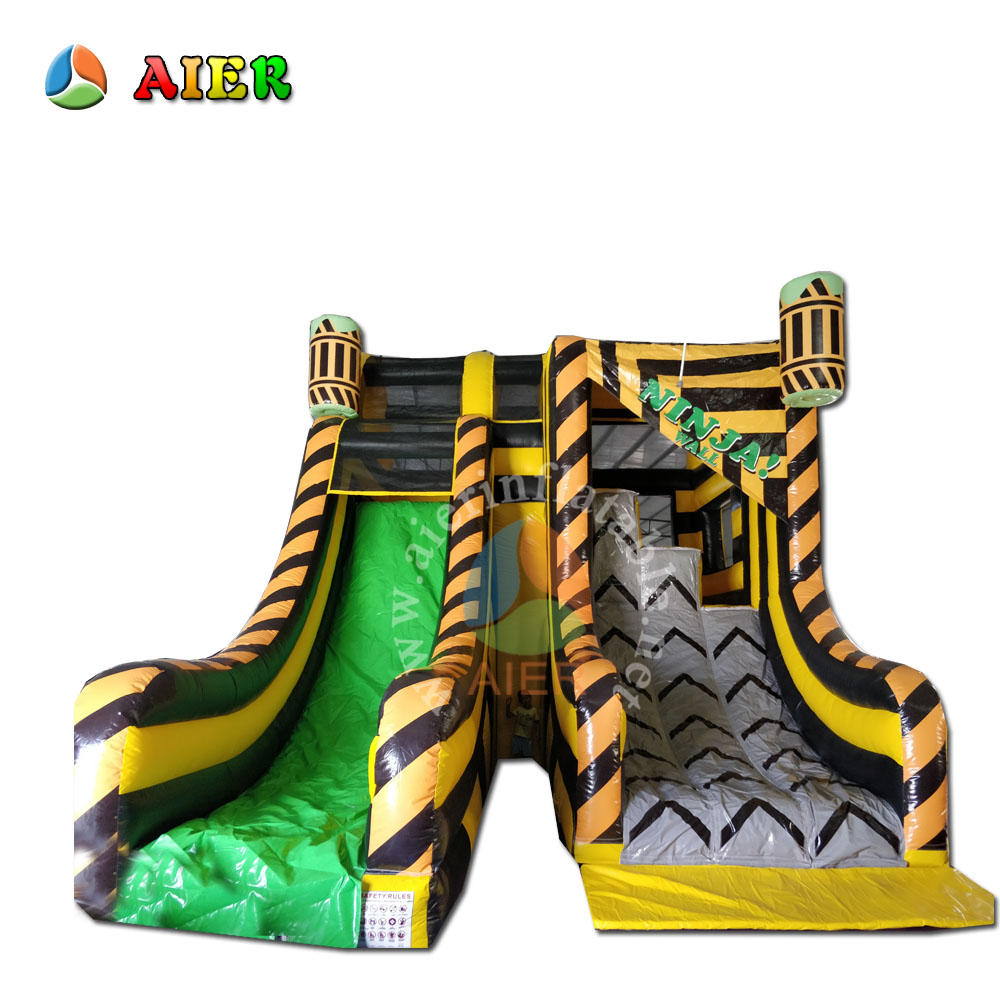
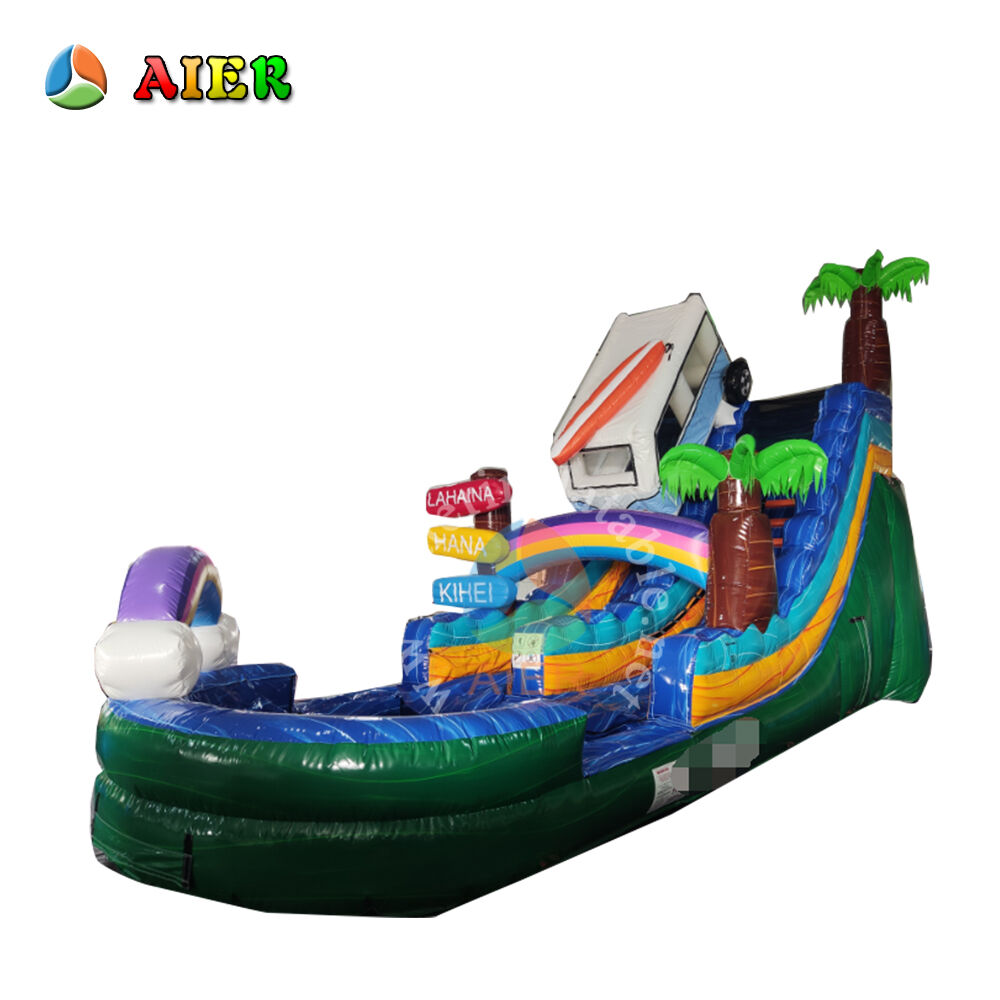
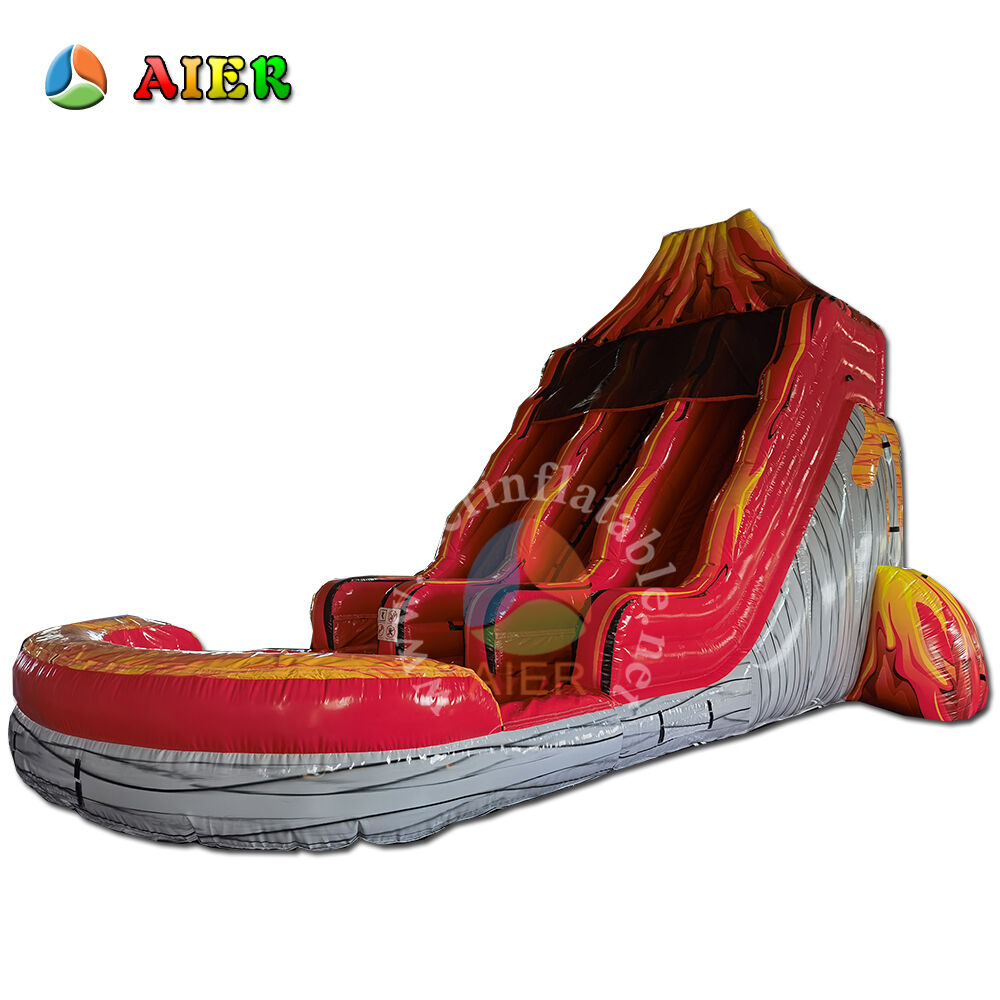
Customization with inflatables has great potential to express your brand with vivid colors and logos, but limitations must be considered. These limitations stem from the properties of the materials used. For example, the vinyl and nylon used to make inflatables absorb different ink colors to varying degrees, causing different levels of brightness and resistance to fading. The integrity of the inflatables must also be considered. For example, large, complex logos positioned on the seams of the inflatables may make the inflatables less durable. The size of the inflatables also plays a factor. Smaller inflatables can have detailed artwork, but larger inflatables must utilize large, bold designs to ensure proper inflating and maintain pressure.
Finding balance between creativity and the achievable must be done to have the most effective projects. If a design has too many logos, it can cause a number of functional issues and result in loss of even inflation, worn materials, and cracking. The best recommendation, from years of experience, is to have logos make up 30% or less of the design. This maximizes flexibility in materials, helps distribute the air evenly, and prolongs the life of the inflatables. This will ensure that the inflatables perform well and have a strong visual appeal.
Customization Options with Inflatables: Color, Printing, and Materials
Using Pantone to Match Specific Brand Colors to Inflatables
Using Pantone color-matching guides, design and engineers can relay and pitch inflatable color ideas to color producers and experts. Pantone (PMS), is a widely recognized and used system developed to aid in precise color reproduction and consistency. PMS is superior to other color systems such as RGB (Red, Green, Blue), and CMYK (Cyan, Magenta, Yellow, Key/Black). PMS ensures reliable color reproduction and avoids discrepancies in color due to varying plastic and vinyl composition within different types of substrates, such as nylon, PVC, etc. A color study conducted by a professional, quality assurance, color lab estimated a 98% success rate when PMS is used. Thus, color quality, consistency, and success is guaranteed with use of PMS when producing promotional inflatables and event signage that require spot colors or mismatching colors with differing production runs inflatables.
What Method of Printing is Best PVC Inflatables: Cost, Quality, and Longevity
Because there are numerous options to go with, digital or screen printing, the type of printing used ultimately derives from a person's budget, taste, and needs. For example, digital printing is the better option when quality and detail is a priority even at a higher cost and shorter expected lifespan. However, digital printing is the better option when producing inflatables with complex designs and colors, as it is more cost-effective and time efficient when targeting shorter production runs. Screen printing is the better option for inflatables that are going to be used for a long time, as it is lower cost when targeting larger production runs, and hold up to weather elements and UV degradation significantly better.
Compatibility of materials used in production processes and printing type are particularly important. Screen printing is used with PVC and heavy gauge vinyl, while digital printing is better designed to be used with more lightweight substrates such as nylon or polyester.
Applying Logos to Inflatables: Art Requirements, Effective Placement, and the Production Process
When adding logos to inflatables, both graphic design and technical skills must be employed to ensure quality and maintain the integrity of the inflatable. All artwork must be submitted in vector format, such as .AI or .EPS. In the pre-production process, several items must be addressed: text must be converted to outlines, colors must be specified using Pantone (not RGB/CMYK), and raster images and transparencies must be eliminated to prevent misregistration or color shifts in production.
Placement strategy is just as important as anything else. Logos must be placed on low-tension, flat areas of the inflatable, avoiding all seams, zippers, and inflation points. This is to avoid cracking or peeling caused be stress during inflation. Logos on arch inflatables are placed on the vertical side panels. Logos on bounce houses are placed above the entrance for an unobstructed view, and dome structures tend to prefer an elevated, central placement so the logo is visible at natural viewing angles.
There is a clearly defined workflow for production that must be adhered to: making sure all materials are compatible (like adhesion of ink on different materials), choosing an appropriate printing method for the design and the size of the order, and multiple quality checks that include seam strength and adhesion cycle tests. Collaboration between the client and manufacturer during the design phase helps avoid delays and makes sure that the design specs translate to the required performance of the inflatable.
Vector Art and Pre-Production Standards for Logos on Inflatables
The use of vector images is not up for negotiation. Vector format graphics are scalable, and are also beneficial for clean die cutting and integration into automated printing systems. Pre-production practices include making sure all text is converted to outlines, making sure the logo is in the Pantone color system, and making sure the logo is set to the required height (minimum 8 inches) to ensure visibility at a viewing distance.
Pre-production approval focuses on a digital proofing step that enables clients to confirm the placement, proportional dimensioning, color accuracy, and alignment of design elements to structural components like seams or vents. This step identifies some of the most critical errors that can occur before production begins, like distortion, transparency, or out-of-scope color issues that can arise from poorly optimized files. Approval can take 24 to 48 hours, and unnecessary edits can push back the approval even longer, so we need to stay on top of quality standards with the files we send. Manufacturers often have checklists with categories to help streamline the artwork submission process, and this helps cut down on revisions by up to 30%, according to the Industry Print Report 2023.
Examples of Achievements from Custom Inflatable Branding
Advertised Custom inflatables have made a boastful and attainable presence to the users, and very on-brand use of a high funnel sporting event and experiential marketing allows one of the world’s largest beverage companies to report a 40% increase in social media mentions in the tournament window across all channels of the event where the company cut full color, PMS (color) logo branded at the top, a 25-foot inflatable replicas of a beverage container. A national retailer used a branded mascot in an inflatable in-store campaign where analytics indicated customers spent up to an additional 15% longer at the entrance during the holiday campaign. At a leading technology conference, a large inflatable dome with interactive and glow-in-the-dark (UV) branded elements achieved 90% booth recall from post-event surveys and more than double outperformed static elements.
These achievements have three drivers in common: dominant position in high-traffic, direct-vision areas; UV-stable prints vs. substrates vs. environments; and design harmonized with brand guidelines in all aspects, including color and graphics. When attention to detail in color, structure, and logo placement is applied consistently throughout the design and manufacturing process, custom inflatables transcend their typical role and evolve into versatile, high-performing, and reliable brand assets beyond just marketing tools. These assets withstand interaction across physical and digital channels.
FAQ
What is the purpose of the Pantone Matching System (PMS)?
The Pantone Matching System (PMS) allows for consistent and accurate color reproduction during the production of inflatables, eliminating uncertainty and ensuring brand color integrity.
What differentiates digital printing from screen printing on inflatables?
Digital printing is suitable for smaller production runs and offers higher resolution but has a shorter fade resistance. Screen printing is ideal for larger production runs and offers superior abrasion and UV resistance due to the use of thicker inks.
What is the importance of vector artwork in inflatables design?
Vector artwork allows for clean die-cutting, accurate registration, and reliable integration with print automation, enabling high-quality scaling and seam leverage.
What is the ideal recommended branded coverage on inflatables?
To maintain the lifespan and flexibility of the inflatable, industry standards recommend a maximum of 30% branded coverage.