EN
EN



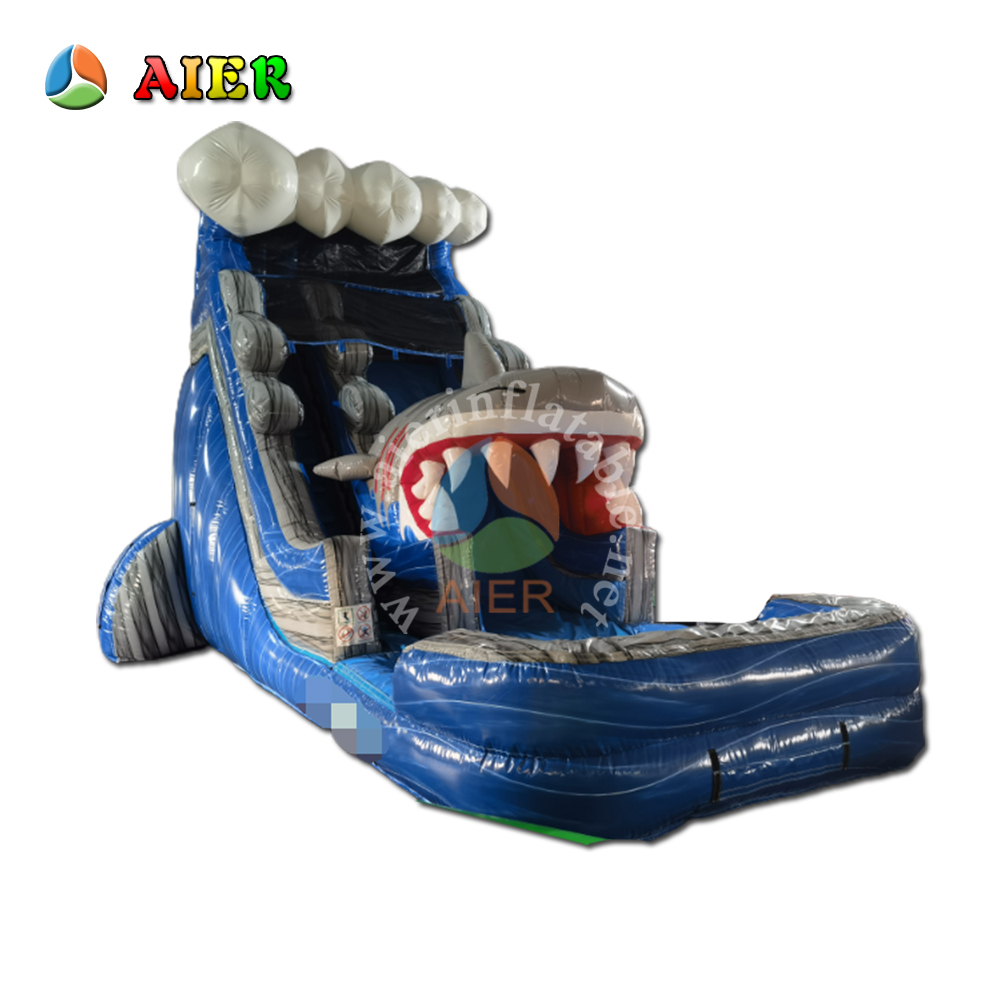
Anchoring Systems: How to Secure Inflatable Slides from Wind and Movement
To prevent heavy damages during the operation of inflatable slides, the correct form of anchoring is essential. The inflatable slides systems will be compliant to the industry standards if the anchors are designed to withstand winds of over 15–20 mph (ASTM F2226-23).
J-Stakes, Sandbags, and Water Weights: Proper Anchor Selection Based on Wind Risk and Surface Conditions
Select anchors based on terrain and anticipated wind threats:
Anchor Type Recommended Use Max Wind Resistance Trade-Off
J-Stakes Grass, soil 25 mph Sub-optimum in sandy or loose soil
Sandbags Concrete, asphalt 20 mph Requires bulkier storage
Water Weights Indoor/patio 15 mph Source of water is essential
In high-wind (>20 mph) conditions, consider using spiral ground anchors with cross-bracing to balance forces. For hard surfaces (asphalt, concrete, etc.) sandbags should be placed within 3 feet of tie-downs and be filled to only 85%—overfilling increases the risk of ruptures and reduces their stability.
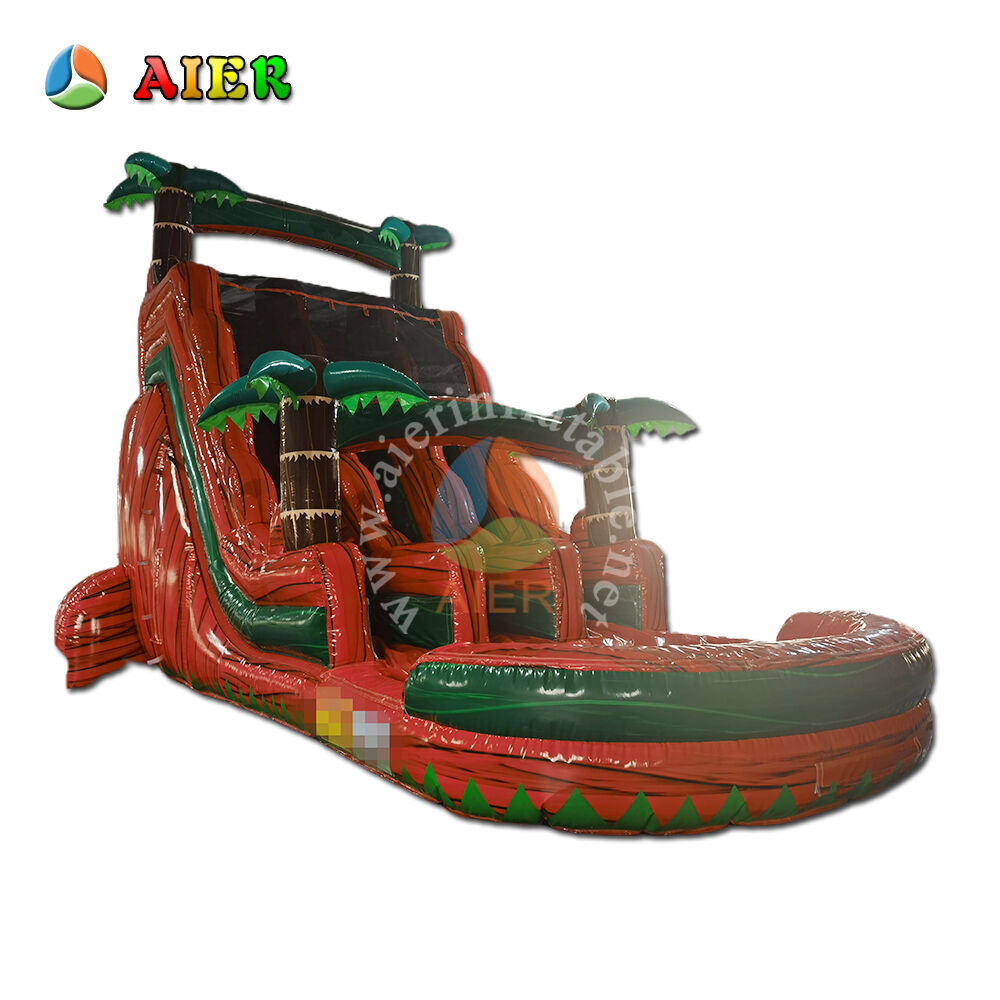
Tethering and Anchoring to Avoid Lift-Off
Attach anchors using 45-degree angles and avoid the direct seams. Securing the windward side with tension-created straps, then counteracting wind forces by crossing the arrangement with additional straps is recommended. Load distributors (e.g., padded spreader bars or nylon webbing) help reduce the risk of surface abrasion and fabric wear.
Measure and monitor the relation in tension; if variation exceeds 15%, lifts and ruptures will occur. For inflatable slides, at least eight anchors are required, with redundant connections at all corners. ASTM standards must be met as well as annual pull testing (1.5× operational load) to ensure system integrity.
Power and Inflation Accessories: Meeting Code Obligations and Regulating Operations of Inflatable Slides
CFM-to-Volume Matching: Inflatable Slide Blower Selection
Electrical Safety Essentials, GFCI Protection, Weatherproof Outlets, and Cord Size
In the U.S., 17% of all reported inflatable slide incidents are due to electrical failures (U.S. CPSC, 2023). Therefore, three restrictions are required for general compliance:
A GFCI outlet breaker, which will cut the circuit if current is detected leaking even for a 1/40th of a second
A NEMA 4 enclosure, which is an electrically safe, weatherproof, and insulated enclosure for all the electrical connections
A 15A 12-gauge extension cord, which is limited to 100' to reduce the voltage drop
Never use indoor rated equipment outdoors or daisy chain cords. To eliminate trip hazards, all an extension cord smaller than 100' must be secured at least 3' above the ground and all electrical connections must be above the potential drainage area on uphill. Municipal inspectors regularly check for compliance with this during the permitting process.
Passive Safety Accessories: Impact Protection and ASTM Surfaces for Deflated Slides
Designing surfaces for inflatable slides that optimize fall safety for ASTM F1292 foam pad compliance
Slides and thorough surfaces cause over 70% of playground injuries, making slides with surfaces that temporarily absorb impact and falls critical safety components. According to ASTM F1292-23, head injury risk is reduced to acceptable levels on surfaces with a g-max of 200 and a HIC of 1,000. For fall safety on inflatable slides, we recommend the following guidance for placement of closed-cell foam pads:
- Extend pads 4 feet out from each of the exits of the slide and bases of climbing walls.
- Extend pads 6 feet from the sides of the slide to prevent falls off the side.
o Extend pads from the sides of the slide to the base of an overhead element such as a tower or canopy.
- Pads should be the same height as the initial slide height in order to meet certified critical fall height requirements. To assess slide safety, compression testing is necessary on an annual basis, or following substantial use, to ensure pads do not become compacted. This safety recommendation sets a loss safety threshold of 80% for placement of the pads.
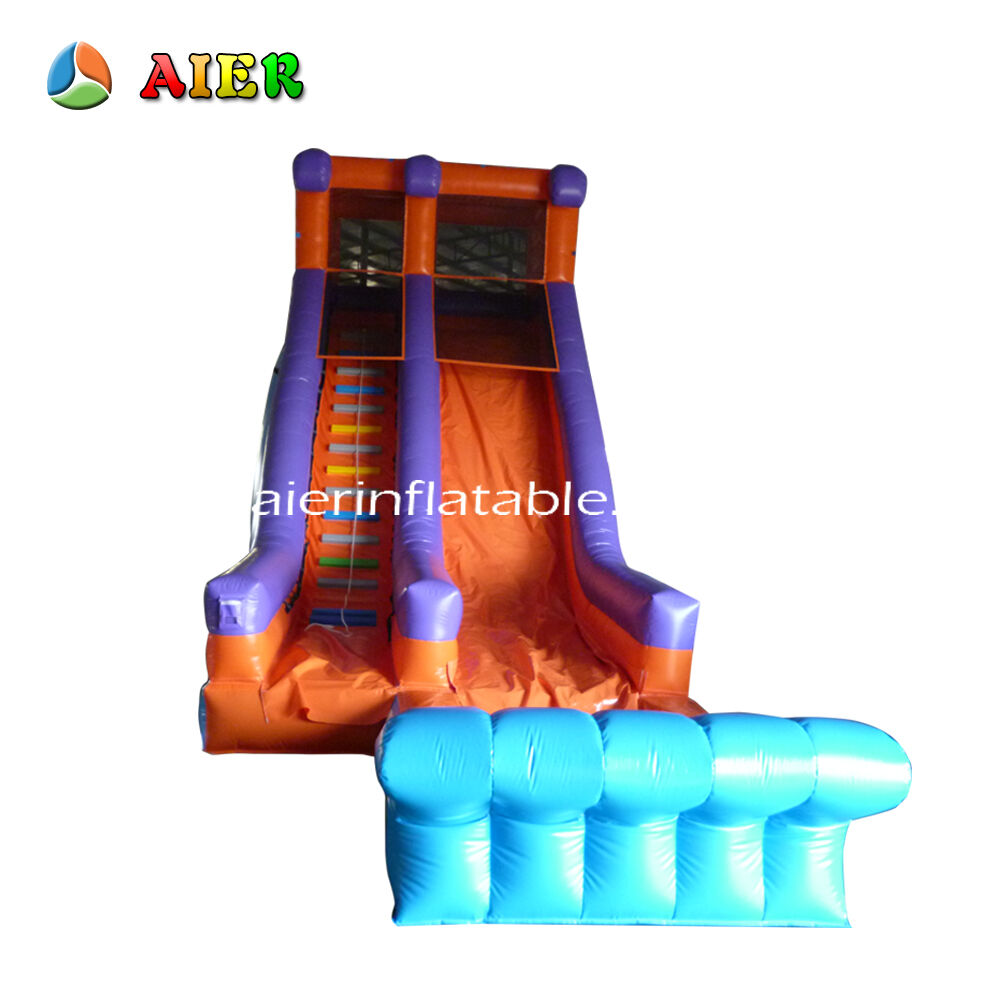
Pre-Setup Site Preparation: Foundation Readiness and Support Gear for Inflatable Slides
Careful site preparation is the key to the safety and longevity of inflatable slides. Select a flat, level site free of rocks, roots, or debris. Abrasions or punctures can result from even minor irregularities. You should clear a space of at least five feet beyond the inflatable slide for safe movement and emergency access. Also, check for overhead clearance of branches or power lines. Before and after the slide is set up, you should lay a commercial-grade tarp to create a moisture barrier and protected underlayment. Also, mark anchor points for optimal solid ground, where J-stakes or sandbags will secure tie-downs. Loose and sandy soils are not optimal. This approach during site prep prevents shifting during use and reduces seam stress by 30% when compared to generic installations, according to safety audits.
Frequently Asked Questions (FAQ)
Q: What types of anchors should be used for inflatable slides?
A: J-Stakes are the preferred anchor for grass and soil, sandbags are the best for concrete or asphalt, and water weights are best for indoor or patio areas.
Q: What is the maximum wind resistance for each anchor type?
A: J-Stakes are good for 25mph wind resistance, sandbags are good for 20mph winds, and water weights are good for 15mph winds.
Q: First, what precautions should be taken against pressure on seams?
A: Use reinforced D-rings, tension-rated straps, and load distributors such as padded bars or nylon webbing plates. Always make sure straps are secured and set at a 45 degree angle, then set and adjusted to have equal tension among all anchor points.
Q: How do I select a blower for my inflatable slide?
A: You should find the cubic feet of your slide by doing it's length × width × height and then finding 20% over that. After that, you should check the manufacturers specs and select a compatible blower.
Q: What surface padding is required to be in compliance with safety regulations?
A: You should have foam padding that is in compliance with ASTM F1292 and this padding should be under, beside, and beyond the exits of the structure as well as under any ceiling structures. You also need to make sure to have the correct fall height ratings and have compression testing done annually.