EN
EN



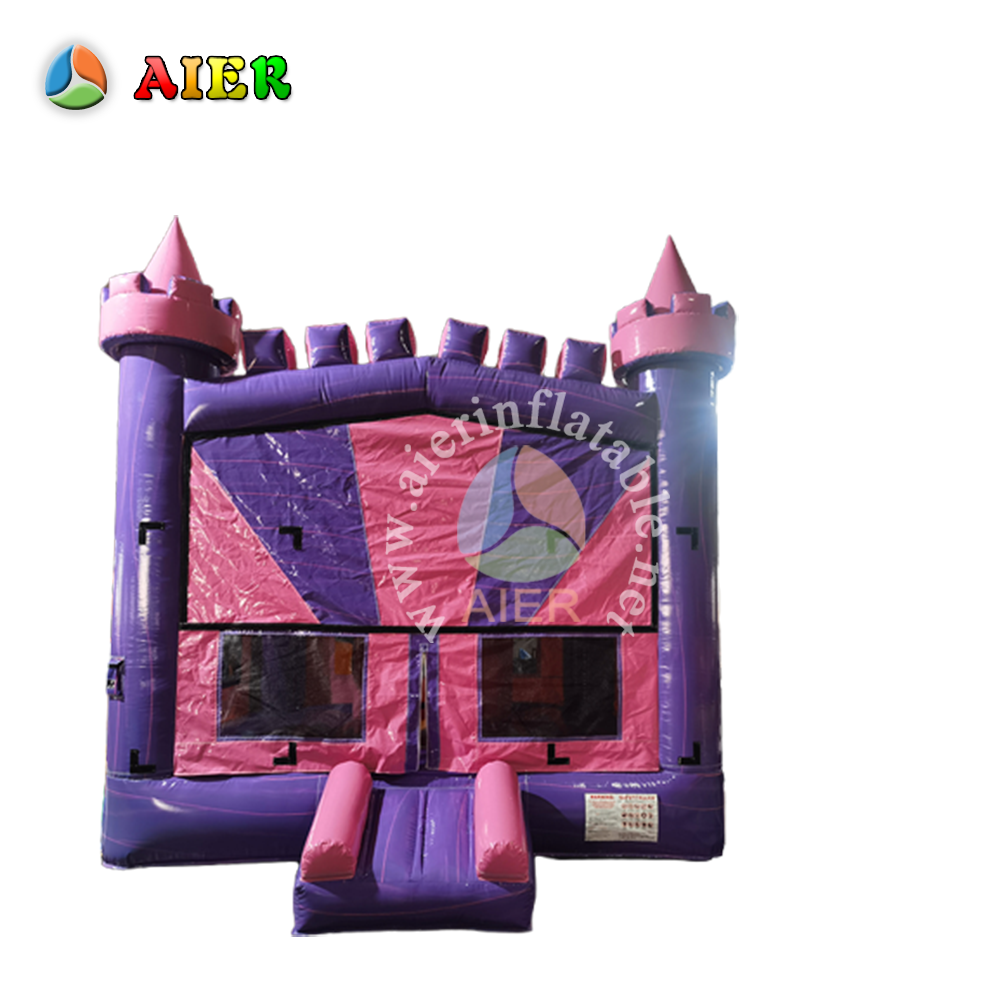
Focus on the Highest Standard of Build Quality and Commercial-Class Durability
Foam Thickness, Extra-Strong Threading, and Improved Structure for Significant Use
Commercial jumping castles need to be able to withstand jumping and bouncing on them constantly, as most of them will get booked over 50 times on an annual basis. Given this type of demand, they should be made from materials that will withstand the wear and tear of time. Bounce houses made with 18 to 24 oz. UV stabilized vinyl are more likely to withstand this type of absolute pounding. Seams should be reinforced with double and possibly triple stitch overlays, especially in the corners, and at the hinged and anchor points, as well as the entrance and exit points. Some independent studies show that commercial quality bouncers outlast home models by an average of almost 40%. The cheap vinyl that is used in consumer-grade models is the primary cause of the majority of incident claims that rental companies file. For true durability, reinforced steel frames are far superior to inferior models. Also, check to see if the netting is cross-stitched as opposed to glued, stitched once, skip-stitched, or chain-stitched. This is especially important to prevent those blown seams that happen during busy weekends.
Dealing with the Suitability of Residential, Commercial, and Hybrid Jumping Castles for Rental Fleets
Units made for home use will find the occasional use of a castle to be fine, but will show reasonable wear and tear on a castle that is in use on a weekly basis. True commercial grade units exceed ASTM minimum requirements (for example, 30 percent more than the minimum). Also, the units come with industrial-grade blowers and the vinyl used for the unit is coated with UV protection which will hold up better for outdoor use than non-commercial units. Some managers expect that the commercial hybrid units will work for them, but in reality, they end up replacing them three times more than they would with units that are fully commercial grade. If you want to make sure that the units are reliable and useable for a long time, you will want to avoid using the hybrid jumping castles.
For jumping castles to be commercial grade, they need to have the following:
A jumping surface made of a minimum 1,000-denier reinforced
Robust anchor points and welded D-rings with a minimum of 7
Entry mats and slide landings and the perimeter of the jump floor have double reinforced vinyl and the perimeter of the jump floor have double reinforced vinyl and the perimeter have double reinforced vinyl
Certifications such as CPSC and EN 14960 which verify and certify that the weight of the users will be 300+ lbs.
These factors are a non-negotiable baseline for insurance compliance and safe operation.
For jumping castle rentals, the following certifications are legally required and necessary for insurance: ASTM F2374, EN 14960, and CPSC.
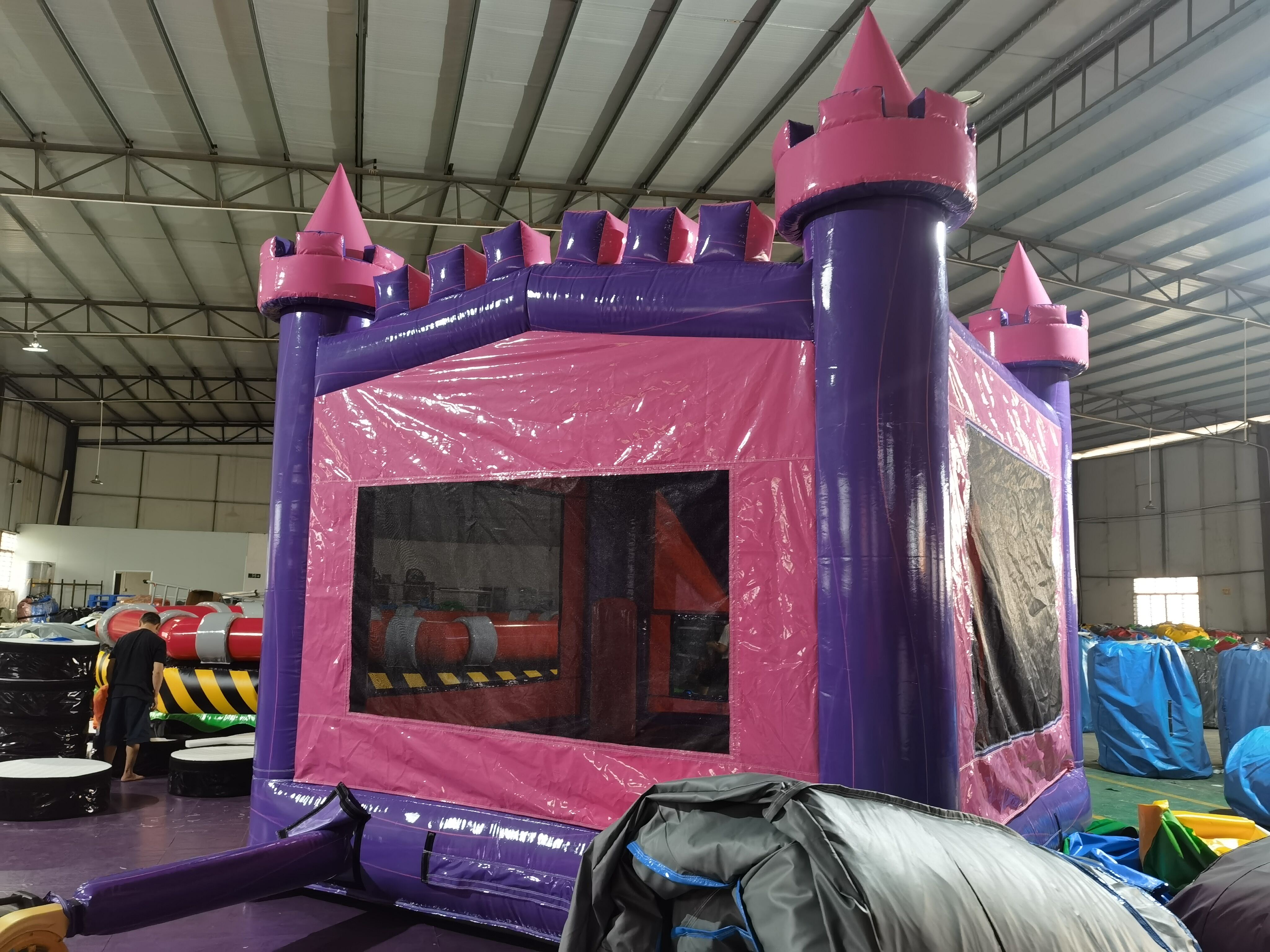
Insurance and the law require compliance with the ASTM F2374, EN 14960, and CPSC standards for any commercial inflatable business. ASTM F2374 sets the requirements for the design and testing of inflatable structures to be properly anchored, designed, and tested for load conditions while operational in the United States. EN 14960 deals with stability of the inflatable bouncers and what to do in the event of high wind. The CPSC has requirements for where and how staff need to be trained, the design and placement of emergency exits, and the size of the fall zone surrounding the inflatable. For violations of CPSC regulations, fines can go up to and exceeding $120,000 for each violation. For unreported incidents, insurance companies will refuse to cover the incident, resulting in the company losing insurance coverage. In 2022, the Amusement Safety Report stated that over 70% of successful lawsuits against bounce house renters were due to the use of unregistered and uncertified inflatable structures. Therefore, business owners must get third party certifications on all of their equipment on a yearly basis, have a copy of the safety certification to record their regulations, and use it to complete their operational duty.
Fire-Retardant Vinyl, Lead-Free Construction, and UV-Stabilized Coatings
Three materials-based precautions provide additional protective measures for their users and help to prolong the life cycle of the products.
The vinyl utilized is treated to meet the requirements of the NFPA 701 standard fire codes, and flame spread is less than 10% of that for normal PVC. This is critical to ensure the safety of users in an indoor environment.
Construction that is third-party verified to be lead free has no risk of exposure to toxic materials in the case of children, and is compliant with CPSC lead content regulations.
The UV stabilization that is built into the coatings in the vinyl, and not merely surface applied, has been shown to extend the usable life of the product by an average of 40% as measured in the 2023 Outdoor Material Durability Study and to lessen string embrittlement and loss of color.
Reduction of premature product deterioration and of seam splitting is demonstrated by the many operators implementing all three of these measures, and they achieve an average of 53% lower maintenance expenditures as shown in the Rental Industry Benchmark 2023 report.
Optimizing your Jumping Castle inventory in relation to size, capacity, and operational fit is an essential aspect of running an efficient bounce house business. Bounce houses with a size of 12 by 12 feet are ideal for small parties in houses and are easy to transport to the venue. Bounce houses with slides and bigger than 20 by forty feet are more appropriate for big business events and festivals. In the suburban areas, bounce houses that accommodate 8 to 10 children are rented 27% more than larger ones, making them a more profitable choice for business owners. Bounce houses that are smaller and able to fit in a standard size cargo van are also more cost efficient, resulting in 19% savings in fuel cost and lower maintenance costs. It is important to have a great variety in your Bounce House inventory to meet the demands of each season. It is recommended that 60% of your inventory be medium sized Bounce Houses that hold 15 to 20 children, 30% be high end combo rentals during peak season, and the final 10% be holiday or theme based inflatables to draw attention during special events.
Jumping Castle Units - Calculating True ROI and Long-Term Profitability
TCO Analysis: Explain how a higher initial investment can lower lifetime costs by up to 37%
Commercial-grade jumping castles are 20 to 30 percent more expensive to purchase initially, but they cost much less to maintain over time because they are more durable and last longer. The premium variants have better materials such as stronger stitches, UV resistant fabrics, and galvanized steel frames, which reduces maintenance costs by as much as 50 percent. While commercial variants last 5 to 7 years, the cheaper models only last 2 to 3 years. When it comes to overall costs, businesses have shown that buying quality equipment can lower costs by 37% once you factor in repairs, lost revenue due to down time, and broken equipment. Analysis of the industry shows that without any changes to of number of bookings or quality of safety, operators are able to save $1,200 annually on each unit.
Profit margin Comparison: Bounce Houses, Combo Units, Wet/Dry Slides
Profit potential varies not only by type, but also by price and how the unit is utilized. Other factors such as seasonality and operational overhang will also impact profitability:
Unit Type Acquisition Cost Avg. Rental Rate Seasonal Demand Maintenance Cost Break Even Period
Bounce Houses 1,500 - 3,500 150 - 250/day Year-round Low 12 - 18 rentals
Combo Units 4,000 - 7,000 300 - 450/day Spring - Fall Medium 15 - 22 rentals
Wet / Dry Slides 6,000 - 10,000 400 - 600/day Peak in summer High 18 - 30 rentals
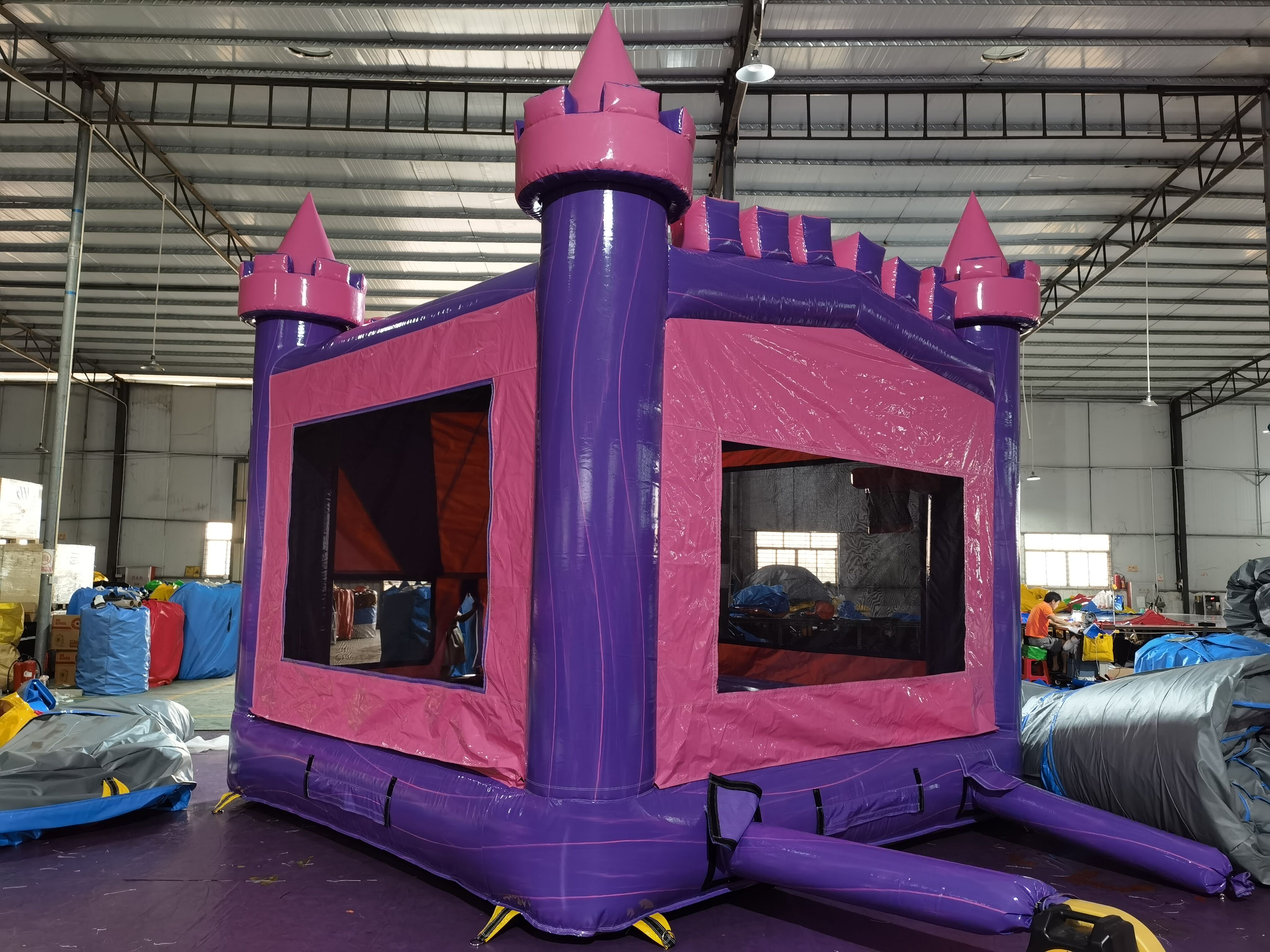
Most of the time bounce houses have the best returns due to their flexibility in rental frequency, low turnaround cleaning time, and space efficient storage. They are the unit type that generates the most income for most rental companies.
Combo Units are obviously more profitable than standard bounce houses. In fact every combo unit generates around 40% more revenue per rental day than a standard bounce unit. Combo units also require more operational work, in the form of additional staff training to ensure safe setup and cleaning, and secure overnight storage facilities.
Dry/Wet Slides have their own unique challenges. The potential revenue for Wet/Dry Slides is best in regions with warm weather year-round. In the warmer regions successful operators tend to maintain a good balance of inventory consisting of approx 3 standard bounce houses for every 2 combo units and 1 wet/dry slide. This captures the year-round steady flow of income and prepares for the busy work season without incurring excessive maintenance cost.
FAQ
Which materials is best suited for commercial bounce houses?
Commercial bounce houses should be constructed with 18 to 24 ounce UV stabilized vinyl for durability.
What safety certificates are needed for commercial jumping castles?
The safety certifications needed for commercial jumping castles are ASTM F2374, EN 14960, and CPSC.
How quickly do residential jumping castles start to show signs of wear?
If residential jumping castles are used weekly, signs of wear start to show.
How much do bounce houses cost to rent per day?
The cost to rent bounce houses is between $150–$250.
What type of inflatable is the best to have for business purposes?
The most appreciated to have type of inflatable is the bounce house, due to the demand that is all year round and the low maintenance.